

Water You Waiting For?
Water You Waiting For? Proper Hydration Can Curtail Summer Losses and Keep Employees Safe.
As temperatures rise across Connecticut, so do the risks and the costs associated with heat-related illnesses. Over the past five years alone, Connecticut municipalities have experienced more than $150 million in medical expense losses tied to dehydration and heat exhaustion claims.
These are not just numbers. They represent preventable incidents that impact employee health, productivity, and municipal budgets.
Why This Matters Now
Outdoor employees, public works crews, first responders, and even indoor employees in non-climate-controlled environments face increased risk during the summer months. The good news is that most heat-related illnesses are entirely preventable with awareness, early intervention, and a culture that prioritizes hydration and safety.
Understanding how heat impacts the body and how to respond can significantly reduce risk. CIRMA provides guidance on recognizing and treating serious conditions like heat stroke in its Heat Stress and Heat Stroke resource, along with practical prevention strategies. Additional guidance, including employer responsibilities and prevention protocols, can be found in this Heat Illness Prevention FAQ.
Know the Early Warning Signs
Heat-related illnesses often begin subtly but can escalate quickly if ignored. Training supervisors and employees to recognize early symptoms can make a meaningful difference.
Common Early Indicators
- Muscle cramps
- Dizziness or lightheadedness
- Headaches
- Difficulty concentrating or impaired memory
Escalating Warning Signs
- Rapid pulse
- Nausea or vomiting
- Unusual fatigue or weakness
- Noticeably low blood pressure
If symptoms progress or an employee loses consciousness, call 911 immediately. Fast action can prevent serious complications.
Prevention Is the Best Protection
A proactive approach protects employees and reduces costly claims. Reinforce these simple but effective practices:
- Hydrate early and often. Do not wait until you feel thirsty
- Schedule frequent breaks in shaded or cool areas
- Encourage a buddy system so employees can monitor each other
- Adjust workloads during peak heat hours
- Provide education and reminders throughout the summer season
CIRMA’s online training includes courses that specifically address heat safety and working in hot weather. If you are not already set up to use CIRMA Online Training, please contact MConnelly@ccm-ct.org to get started today.
The Bottom Line
Heat-related incidents and claims are largely avoidable, but only if organizations take them seriously. By recognizing the signs early and promoting proper hydration, municipalities can protect their workforce, reduce losses, and maintain safe operations during the hottest days.
Do not wait for a preventable incident. Make hydration a priority today.

Heat Stress and Heat Stroke
Anyone performing physical or athletic activities on hot or humid summer days is at risk for heat-related illnesses. Those likely to be in danger…
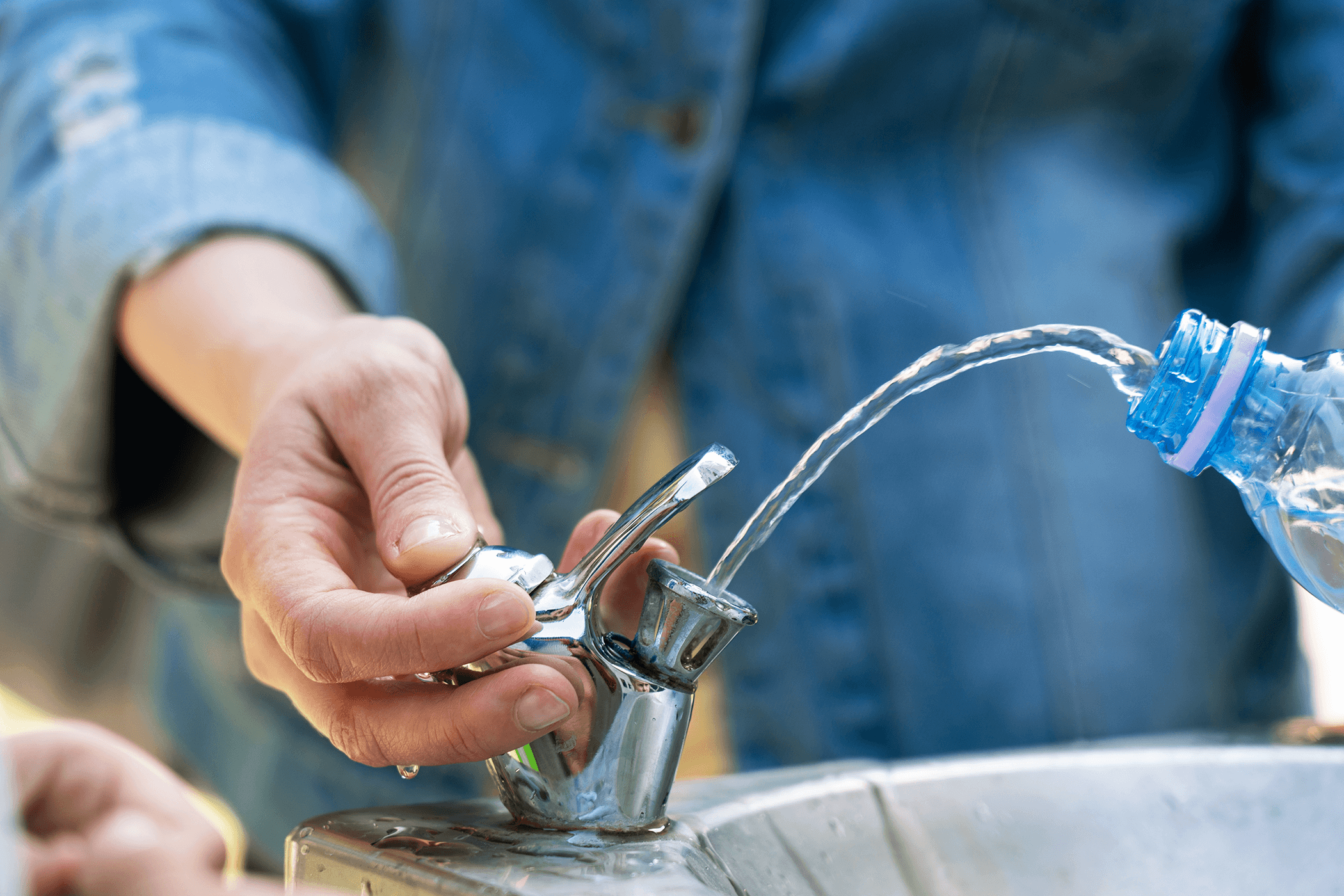
Water You Waiting For?
Claims involving dehydration and heat exhaustion can be costly—Connecticut municipalities experienced over $150 million in related medical expense losses alone over the past five…

Safe Actions Save Lives: Why Work Zone Safety Starts with You
It's everyone's collective responsibility to ensure safety in work zones. Road workers rely on their communities to keep them safe at work. CIRMA provides…

Preventing Sprains & Strains
Sprain and strain injuries are the most common and costly workplace injuries. Employees can injure their knee, shoulder, wrist, or back while performing everyday…

Social and Emotional Awareness
Failure to cultivate a workplace culture that advocates for mental health can subject employers to legal risks, including claims of workplace violence or failure…

Police Essentials: Building Safety Through Leadership, Training, and Culture
Nationally, police pursuits injure thousands each year and cause an average of one fatality every day, many involving uninvolved motorists or pedestrians. For municipal leaders and…

Police Essentials: Defensive Driving
Law enforcement personnel spend extensive time on the road. Paradoxically, building defensive driving skills education often receives little attention in basic academy training and…

Double Down on Cybersecurity: Why Multifactor Authentication Matters
Strengthen your cybersecurity with multifactor authentication. Learn how a simple extra step can block cyberattacks.

Still Using Weak Passwords? Do This Instead.
Passwords have long been firmly established as the weakest link in an organization’s cybersecurity. Here's what you can do to avoid this significant yet…

Wellness at Work
The adoption of workplace social and emotional health programs skyrocketed over the past two years due to heightened visibility during the pandemic when remote…

Social Engineering: The Art of Human Manipulation
Social engineering cyberattacks are becoming increasingly prevalent, costing municipalities millions annually. Here's what you can you do to be cyber smart.

Personal Protective Equipment for Public Entity Employees
Proper use of personal Protective Equipment (PPE) is crucial for accident prevention in the municipal workplace. PPE can safeguard employees from potential risks, ensure their well-being,…
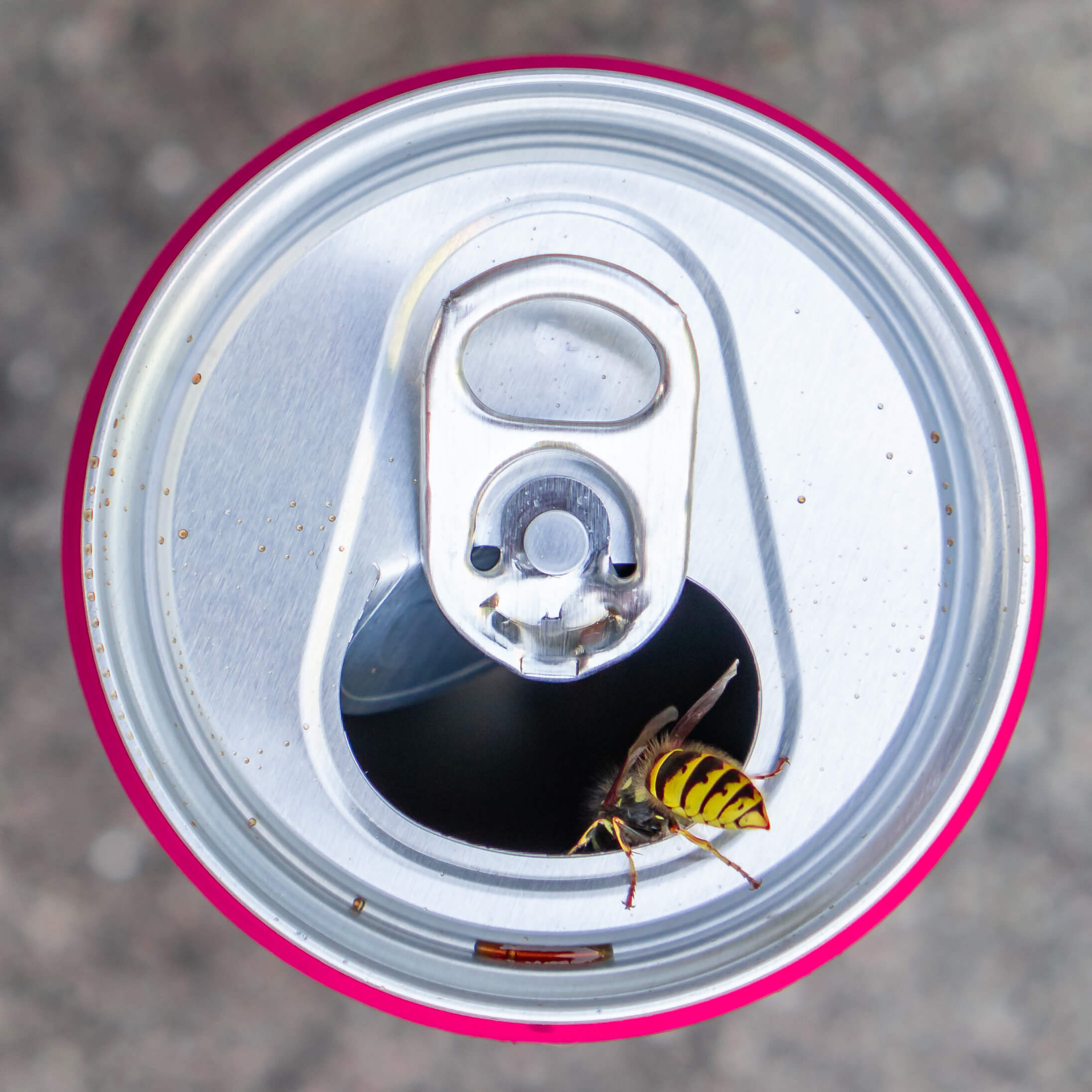
Bee Safe
Bee and wasp stings are a common summer nuisance that can turn deadly if the victim develops a severe allergic reaction (anaphylaxis). Public Health…

Preventing Tick-borne Disease Exposure
In Connecticut, occupational exposure to tick-borne diseases is a recognized hazard. Outdoor workers must protect themselves in the spring, summer, and fall when ticks…

Whitepaper: Create a Home Work Environment that Works for You
Creating a home workspace does not require extraordinary upgrades to your home or even purchasing fancy office equipment. Setting up a workspace with basic…